Logohu në mjekët.al

Impotence
Sent by
Dr. Shk. Rezar Rusi
With impotence, we mean that state when a man cannot have an erection (raising of the male organ) at that level and with that strength to have sexual intercourse. Having erection problems from time to time is not necessarily a cause for concern; but if this happens in a wa...
read full article

Urological procedures
Sent by
Dr. Shk. Rezar Rusi
Eco is a simple, painless examination with no side effects. In the case of the urinary tract, it evaluates the condition of the kidneys, urinary bladder, prostate, and testicles. The patient is required to have drunk a large amount of water before the examination so that the bladder is full. The procedure is performed by placin...
read full article
Clinical consequences of iron deficiency
Sent by
Dr. Shk. Sotiraq Lako
Iron deficiency is the most common case of deficiency (lack, deficiency) of a chemical element, worldwide. It is economically important because it reduces the ability of individuals to cope with physical work and reduces both growth and learning in children...
read full article
Erectile Dysfunction
Sent by
Dr. Kozeta Mustafaraj
Erectile disorders are sexual disorders characterized by the inability to initiate and maintain penile erection during sexual activity. Erection occurs as a result of the hydraulic effect of blood that enters and is retained in the penile spongy bodies. This process begins as a result of sexual arousal when signals are transmitte...
read full article
Transurethral resection of the prostate
Sent by
Dr. Shk. Rezar Rusi
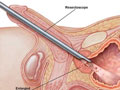
Transurethral Resection of the Prostate (TURP) is one of the surgical methods used for the treatment of benign prostatic enlargement (abbreviated from English as BPE or BPH) accompanied by urinary symptoms ranging from moderate to severe. TURP is performed using a combined visual-surgical instrument that is inserte...
read full article
Teratogenicity and medications
Sent by
Dr. Ilda Ndreko
Changes (damages) in the blood vessels (microangiopathy) - cause a hypoxic condition (insufficient oxygen supply) in tissues, which in turn leads to spontaneous skin damage, hinder the normal healing of wounds and infections...
read full article

Febrile Convulsions
Sent by
Dr. Shk. Artan Haruni
Febrile convulsions are considered the most common type of convulsions in children aged 3 months to 5 years. Convulsions are involuntary shakings of the limbs with body toning. They have been distinguished from other types of convulsions since the mid-19th century. At that time, the treatment consiste...
read full article

Hemorrhoids (piles) - Diagnosis and treatment
Sent by
Dr. Viktor QERESHNIKU
Hemorrhoids are expansions of the blood vessels that occur in the anal canal. This canal is supplied with arterial and venous blood. The arterial system consists of two superior rectal arteries, which participate in the blood supply of the upper part of the anal canal up to the anal valves...
read full article
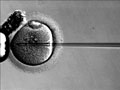
History and development of the ICSI technique
Sent by
Dr. Marsel Haxhia
Since the birth of Louise Brown in June 1978, IVF has been proven to be an effective treatment for infertility due to the female factor, especially tubal infertility (Edwards et al., 1980). In subsequent years, IVF was also successfully used in couples with unexplained infertility, with infertilit...
read full article
Alcohol and Alcoholism
Sent by
Dr. Viktor QERESHNIKU
Alcoholic drinks have been known since ancient times. As long as there was water, fruits with sugar content, and fermentation, all the conditions were created for alcoholic drinks to form naturally. Coming into contact with alcoholic drinks, humans experienced the effects of both moderate and abusive consumption of these beverages...
read full article